
Technology
Sentra is a set of services around one GPU engine. The services are a web console with a companion mobile app, the product API behind a single gateway, a media tier for live video and recordings, and a pool of AI engines where each analytics module runs.
The same software runs on a server you own or hosted by Sentra in an isolated tenant. In both cases the analytics run on the server, there are no AI licenses per camera, and the pages, rules and retention are identical.
One data model
Each camera, recorder and sensor feeds one data model: devices and people in a relational database, events and time series in a document store, media in object storage, and a message bus that carries events between services. Live video, detections, counts, sensor readings and alerts share one timeline and one set of permissions.
The live wall, alert inbox, search and reports read from the same records.
Services and scaling
Sentra runs as containerized services on GPU servers, with resource caps that protect live video from heavy analytics jobs.
Capability is delivered as feature modules switched on per organization: live cameras, AI detection, zones, AI search, videowall, sensors, license plates, people counting, heatmaps, parking occupancy, turning movements, recordings, recorders and the audit log. A module that is off disappears from the menu.
Media nodes and AI engines scale by adding nodes: cameras are assigned to media nodes and engines, an engine pool page shows the load on each engine, and a camera moves to another engine without a restart.
Deployment options
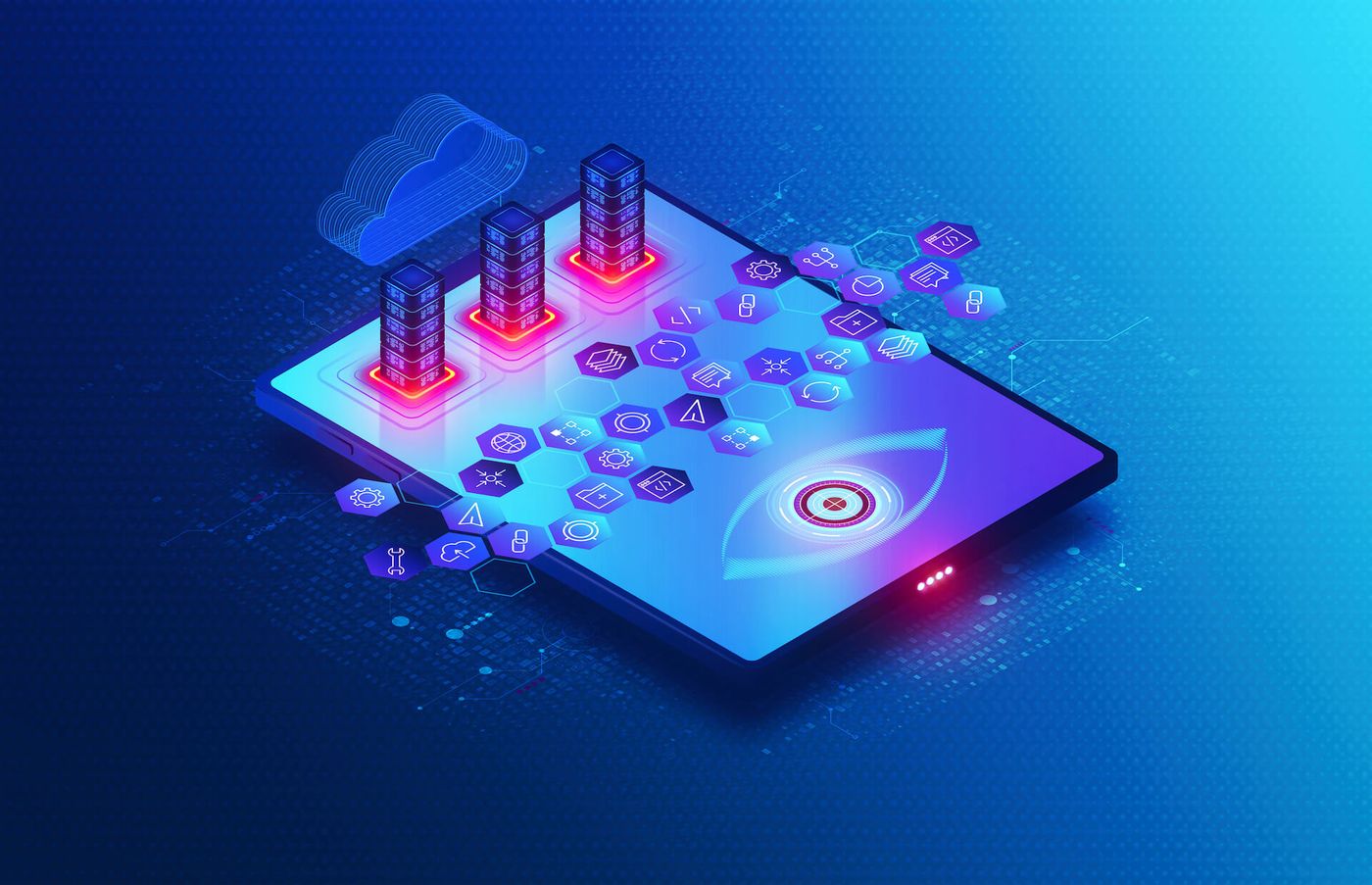
Sentra supports two deployment models: self hosted on a server you own, inside your building or your own data center, or Sentra Cloud, hosted and operated by Sentra.
Hosted by Sentra, each organization runs in its own isolated tenant, and Sentra handles updates, monitoring and capacity.
Administrators and operators work in the browser or the mobile app in both models, over encrypted connections.
Detection engine
A transformer based detector runs on the GPU and is fine tuned in house on footage from the platform's own cameras, recognizing thirteen classes of people, vehicles, animals, bags and dumped waste. A tracker follows each object across frames, so one ambiguous frame cannot relabel it.
Each analytics module shares that single detection and tracking pass per camera: behavioral zones, alarm lines, person down areas, counting, parking occupancy, turning movements, heatmaps, plate reading and a search index built on appearance embeddings.
Operators confirm or reject detections with a reason, and the feedback goes into model training.

Integration
Cameras that use the standard streaming and discovery protocols connect directly, recorders are imported with their channels, pan, tilt and zoom use native camera interfaces, and sign in uses single sign on.
Outbound webhooks deliver event data to dispatch, access control or ERP systems through named callbacks, and reports are shared as links or scheduled emails.
Updates and monitoring
Updates apply without reinstalling the platform.
Containerized services allow each part to be updated independently, monitoring runs on standard dashboards with health endpoints and structured logs, and each irreversible aggregate carries a version stamp, so a number can be traced to the rules that produced it.
New AI models, sensor types and analytics modules are added as further modules behind the same gateway and the same permissions.
See it on your own cameras
A demo can run on your cameras or on a Sentra demo site, self hosted or hosted by Sentra. Tell us which events and figures you need, and we prepare it.